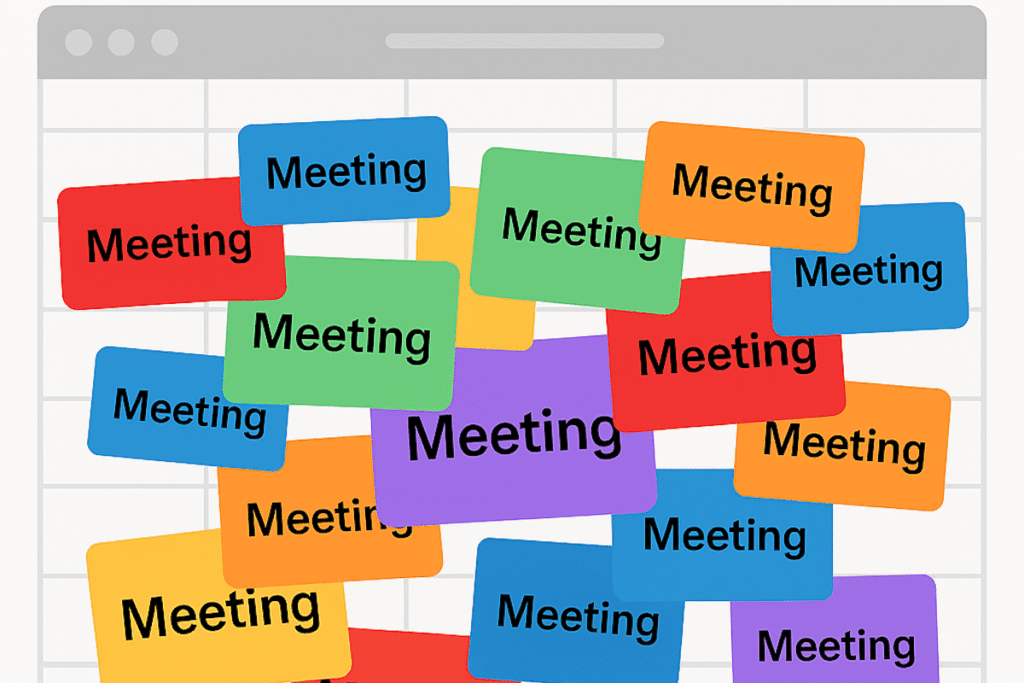

Google’s early-2025 announcements around Gemini Agents felt like a quiet shift wrapped in a flashy keynote. For years, AI has mostly answered questions. Now it’s acting on them – booking appointments, drafting proposals, updating spreadsheets, nudging your to-do list like a coworker who somehow knows your calendar better than you do. It’s not “chat with AI” anymore; it’s “delegate to AI.”
What stands out is how quickly we skipped a few conceptual steps. Agents aren’t assistants. They’re doers. They ingest your documents, emails, tasks, schedules, and permissions… then make judgment calls. Small ones, sure – but judgment calls nonetheless. And once software can take initiative, even polite initiative, everything about work changes. Slowly at first. Then suddenly.
The interesting part isn’t the automation. It’s the negotiation. You now have a digital teammate with no commute, no PTO, and no hesitation about rewriting your workflows. That’s both convenient and mildly existential. Humans love control — or at least the illusion of it. Agents politely challenge that.
Companies rushing to adopt these tools are learning a new truth: AI isn’t a feature. It’s an operating system for decision-making. A system that’s still learning how not to overstep.
If your software starts telling you what you should focus on, who ultimately decides what “important” means? And what does healthy collaboration look like when one teammate is an algorithm?
Related article: Google