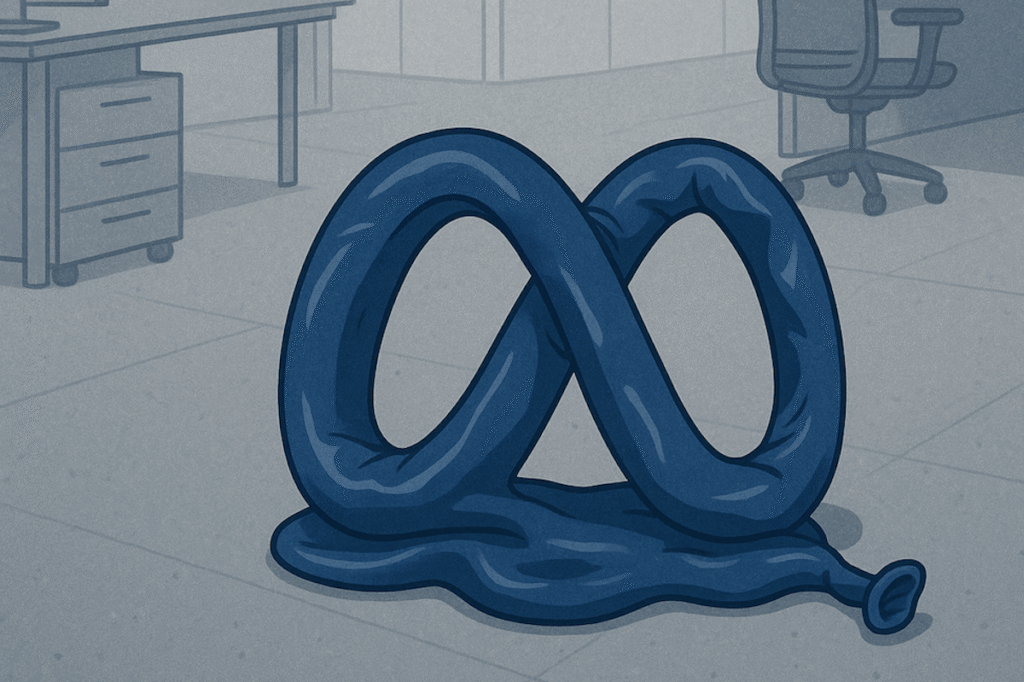

BBC’s report that the World Health Organization officially classified burnout as a workplace syndrome feels less like breaking news and more like a belated acknowledgment of something everyone already knew. Burnout isn’t a vibe. It’s what happens when workload, expectations, and reality form a small, smoky bonfire under your desk.
What’s interesting isn’t the label—it’s how leaders respond to it. You can’t treat burnout with pizza parties and inspirational posters. And you definitely can’t solve it by scheduling another meeting about burnout. The real issue is structural: unclear priorities, constant urgency, and the quiet assumption that “more” is the default state of work.
The classification gives teams language to talk about what’s been simmering for years. It also puts responsibility back where it belongs: on systems, not individuals. People don’t burn out because they’re weak. They burn out because they’re human.
If burnout is now official, does that mean companies will finally design work that people can sustain? And what happens when employees start expecting healthier norms instead of hoping for them?
Related article: BBC