
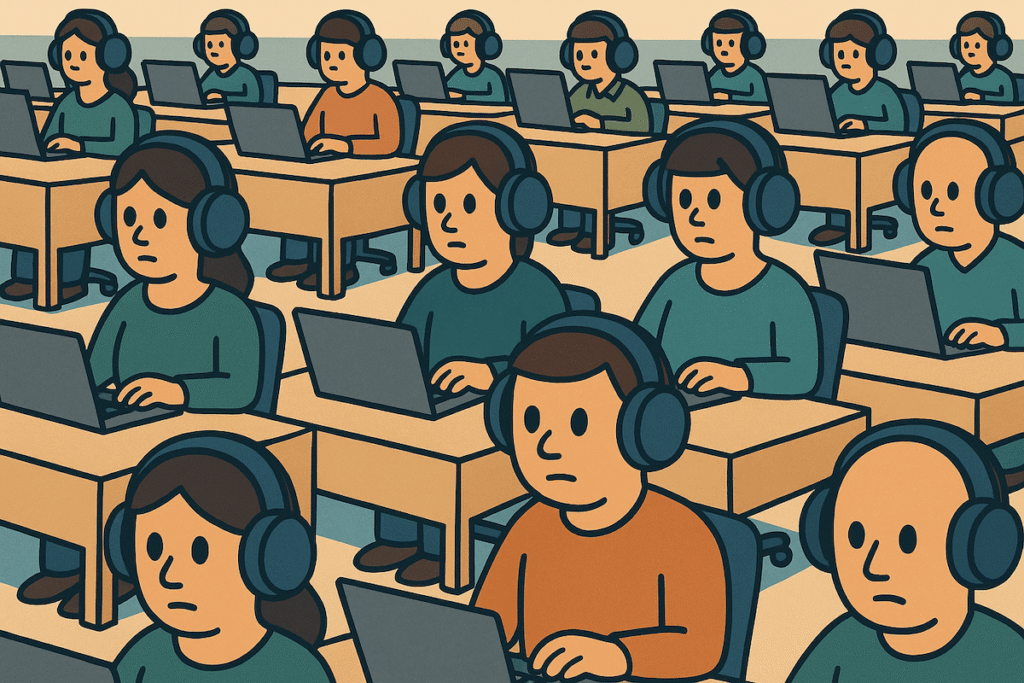
Harvard Business Review’s study on open offices surprised exactly no one who has ever attempted deep work within earshot of someone loudly recapping their weekend. The idea was noble enough: remove walls, increase collaboration, spark creativity. Instead, people built invisible walls – the kind made of headphones, Slack messages, and a deep desire to avoid eye contact.
What’s interesting is how the open office didn’t fail dramatically. It failed quietly. The more people sat together, the less they interacted. Digital tools replaced face-to-face conversations that the layout supposedly encouraged. It’s a reminder that changing a space doesn’t automatically change behavior.
The real takeaway? People like choice. Sometimes collaboration is energizing; sometimes it’s a derailment disguised as teamwork. A space that forces one mode of working is bound to frustrate everyone except the loudest person in the room – who, statistically, is never the one who needs quiet time.
If the open office made us talk less, what does that say about how we design work? And what would our offices look like if we built them around how people actually think, not how we hope they might?
Related article: HBR